Understanding Macronutrients
Exploring proteins, carbohydrates, and fats, their metabolic roles, and their importance in maintaining nutritional balance.
Exploring proteins, carbohydrates, and fats, their metabolic roles, and their importance in maintaining nutritional balance.
Macronutrients are nutrients that the body requires in large quantities to function properly. They provide energy and are essential for building and maintaining body tissues. The three primary macronutrients are protein, carbohydrates, and fat.
Each macronutrient plays distinct roles in the body and contributes differently to energy metabolism and physiological processes. Understanding their functions helps us appreciate the complexity of nutrition.
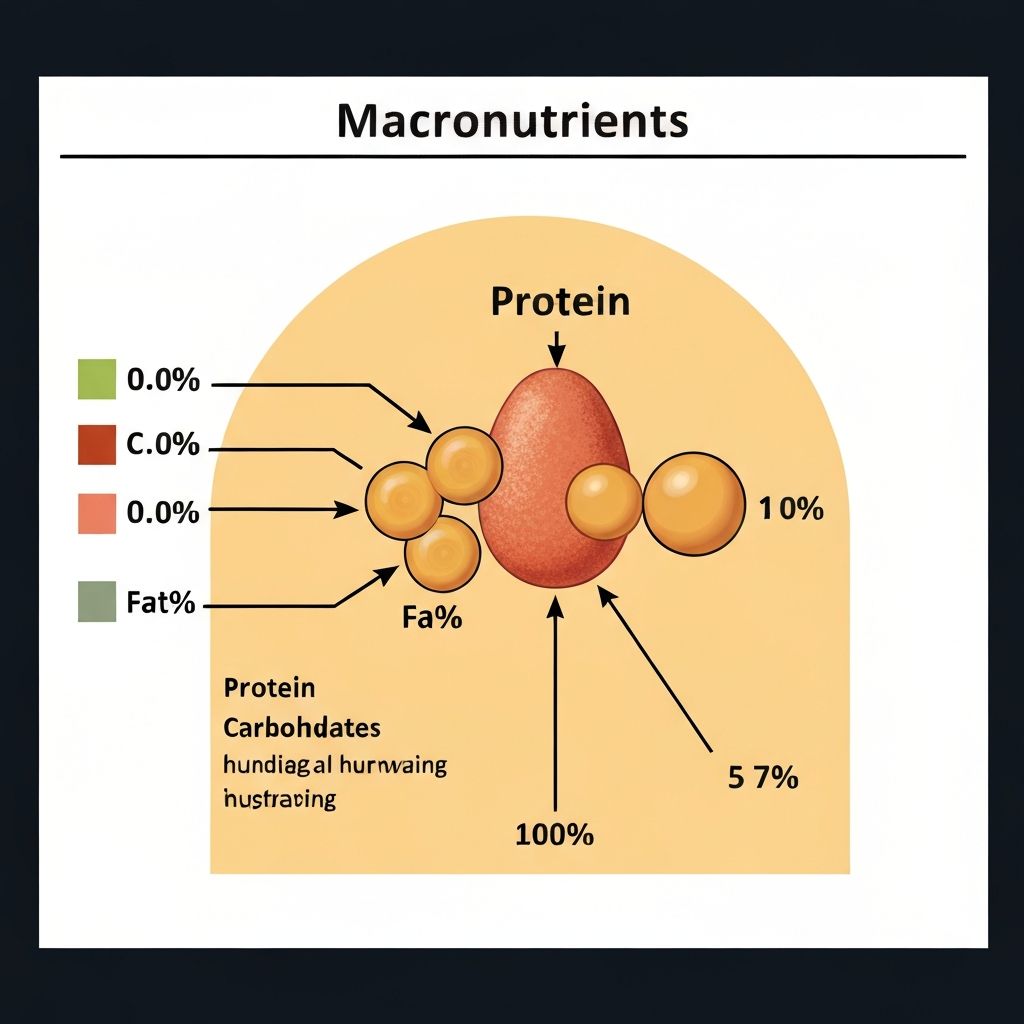
Proteins are organic compounds made up of amino acids. They serve multiple functions: building and repairing tissues, producing enzymes and hormones, supporting immune function, and contributing to energy metabolism.
Key Functions: Tissue repair, enzyme production, hormone synthesis, immune support, and cellular structure.
Proteins can be obtained from both animal sources (meat, dairy, eggs) and plant sources (legumes, grains, nuts). Different sources provide varying amino acid profiles and additional nutrients.
Carbohydrates are a primary energy source for the body. They are classified into simple and complex carbohydrates based on their chemical structure and how quickly they are metabolized.
Key Functions: Energy provision, fiber for digestive health, and supporting brain and nervous system function.
Dietary fats are essential nutrients that serve numerous critical functions in the body. They have historically been misunderstood, but modern nutrition science recognizes their importance.
Key Functions: Energy storage, hormone production, vitamin absorption, and supporting cell structure and nervous system function.
Fats include saturated fats, unsaturated fats (monounsaturated and polyunsaturated), and trans fats. Each type has different effects on health and should be considered in the context of overall diet.
The optimal balance of macronutrients varies among individuals based on age, activity level, metabolism, and personal health circumstances. There is no universally perfect ratio—research suggests a range of acceptable distributions.
Rather than adhering to strict ratios, the focus should be on consuming adequate amounts of each macronutrient from varied, whole food sources. This approach supports both metabolic health and nutritional completeness.
Individual nutritional needs vary based on genetics, metabolism, activity level, and health status. This information is presented for educational purposes only and should not be construed as personalized dietary advice. Consult with a healthcare professional for recommendations tailored to your specific situation.